





















Buyer guides
A home chair in a restaurant: why it is the wrong chair, and what EN 16139 means for buyers
Chairs for homes and chairs for restaurants, hotels and bars are tested to different European standards. What EN 16139 and EN 12520 cover, what they don't, and what retailers, designers and owners should ask for.
The problem
A café owner finds a beautiful chair in a home furniture shop. It is cheaper than the "contract" chairs from the trade supplier, and it looks almost the same. They buy forty.
At home, a chair is used a few times a day by the same few people. In a café, it is used all day, by hundreds of different people. Guests lean back on two legs, drag it across the floor and stand on it to reach a shelf. After a few months the joints loosen and the chairs start to wobble.
The chairs were not bad. They were made and tested for a different job.
Two standards, two jobs
In Europe, wooden chairs are tested to different standards depending on where they will be used.
For homes: EN 12520. It sets the minimum requirements for safety, strength and durability of domestic seating for adults. Its scope says clearly that it does not apply to "seating for non-domestic use" (source 1).
For restaurants, hotels, bars and offices: EN 16139. The current edition was published in August 2025. It sets requirements for "the safety, strength and durability of all types of non-domestic seating" for adults weighing up to 110 kg, including office visitor chairs (source 2).
EN 16139 has two test levels (source 3):
- Level 1, general use: office buildings, showrooms, public halls, function rooms, cafés, restaurants, canteens, banks and bars.
- Level 2, extreme use: night-clubs, police stations, transport terminals, sport changing rooms, prisons and barracks.
Both standards use the same test methods, such as EN 1728 for strength and durability and EN 1022 for stability (sources 1 and 3). The difference is in how hard the chair is tested.
What the tests do not cover
A test report for EN 16139 is important, but it is not everything. The standard does not cover (sources 2 and 3):
- fire (flammability);
- wear of the upholstery fabric;
- ageing of the materials;
- office work chairs, school chairs and outdoor chairs.
So for an upholstered chair you need two reports: one for strength (EN 16139) and one for fire, for the exact fabric and filling. Our guide to fire rules for upholstered seating explains the second.
What to ask for
If you are a furniture retailer or importer selling to restaurants and hotels:
- Which standard was the chair tested to: EN 16139 or EN 12520?
- Which level: 1 (general use) or 2 (extreme use)?
- Which lab, and when? Is the report for this exact model?
If you are an interior designer: write the standard and the level into your specification, for example "EN 16139, Level 1". Then every supplier quotes for the same chair.
If you own a restaurant, hotel or bar: ask your supplier for the test report before you order. A good supplier sends it without a fight.
For the full list of questions, including fire reports, EUDR and minimum orders, read 10 questions to ask a chair manufacturer.
Where RikoStyle fits
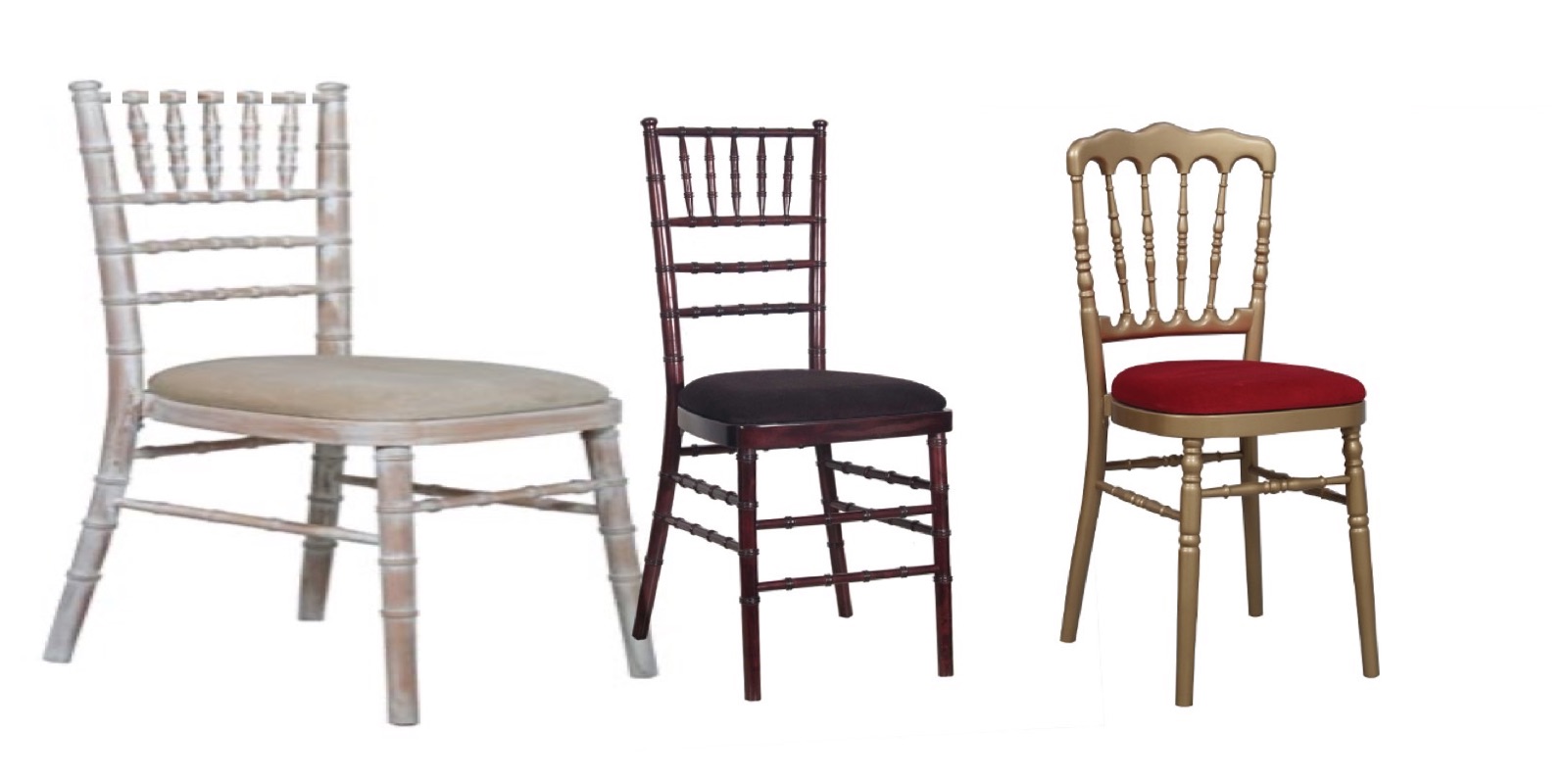
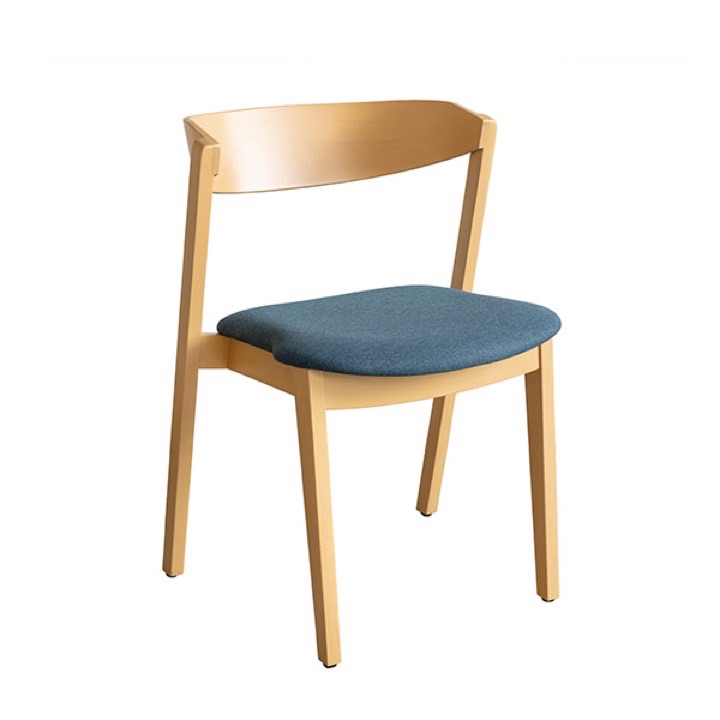
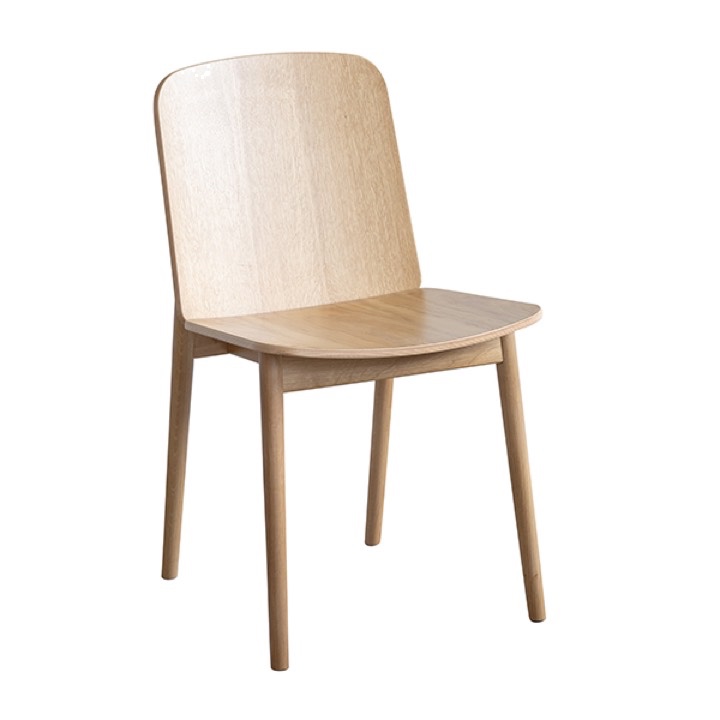
We make chairs for restaurants, hotels, bars, events and care homes: 171 chairs, armchairs and bar stools on solid beech and oak frames, plus banquet and event chairs (source 4). Our whole range is sold for hotels, restaurants, events, healthcare and education.
Ask us for the test report of the exact model you want to buy, and compare it with your current supplier's, using the questions above.
We offer this range to furniture retailers and importers, interior designers, restaurant and hotel owners, event rental companies and care homes, and we are looking for long-term partners in each of these groups.
Sources
- NSAI Standards Store, EN 12520:2015 Furniture. Strength, durability and safety. Requirements for domestic seating (abstract; this edition has since been withdrawn and replaced): https://shop.standards.ie/en-ie/standards/en-12520-2015-335804_saig_cen_cen_770920
- BSI, BS EN 16139:2025 Furniture. Safety, strength and durability. Requirements and test methods for non-domestic seating (published 31 August 2025): https://knowledge.bsigroup.com/products/furniture-safety-strength-and-durability-requirements-and-test-methods-for-non-domestic-seating-1
- SGS, A new EN standard for non-domestic seating: EN 16139:2013, SafeGuards 075/13 (May 2013): https://newsletter.sgs.com/eNewsletterPro/uploadedimages/000006/sgs-safeguards-07513-a-new-en-standard-for-non-domestic-seating-en-13169-20013-a4-en-13.pdf
- RikoStyle product data as published on rikostyle.com, November 2026.