






















Buyer guides
Furniture will get a digital product passport. What it is, when it comes, and how to get ready
The EU's ecodesign rules put furniture on the list for a digital product passport, with requirements expected from 2028. What it means for retailers, designers and the people who buy chairs and tables.
The problem
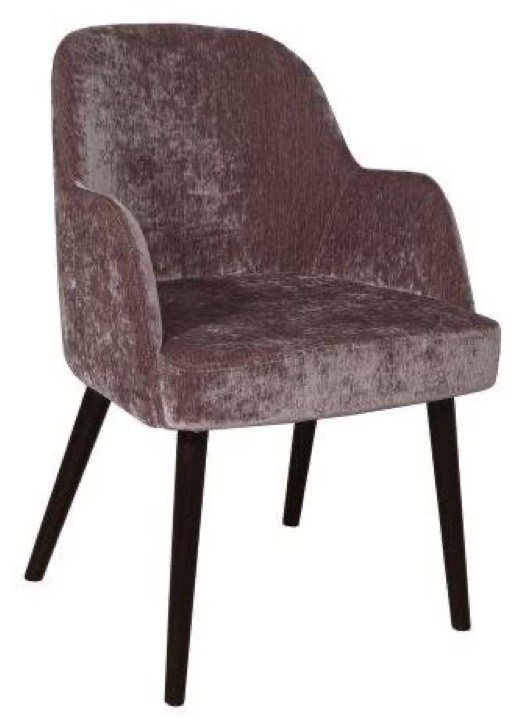
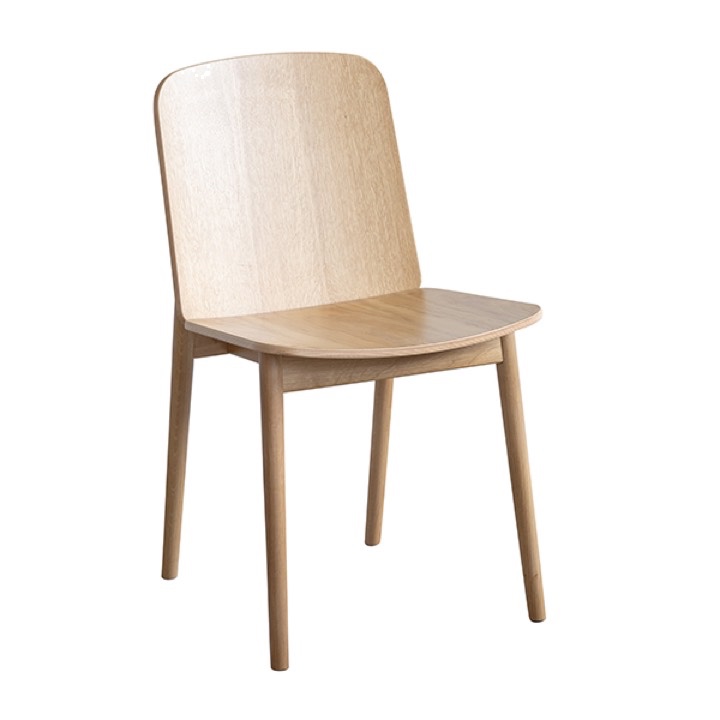
Today, a chair often arrives with a name, a photo and a price. The dimensions sit in a PDF. The wood type is in an email. The fabric code is in someone's head.
That will not be enough. The EU is moving towards a world where every product carries its data with it, in a digital product passport, and furniture is on the list.
What is happening
The EU's Ecodesign for Sustainable Products Regulation (ESPR) lets the Commission set rules for whole product groups. On 16 April 2025 it published its first working plan with the priority groups. Furniture is one of them, with an indicative date of 2028 (source 1).
Two points from that plan (source 1):
- The rules can set requirements on things like durability, reusability and repairability, or simply require information.
- Every priority product group will need a digital product passport, unless another digital system already does the job.
The trade press expects the furniture details "not until 2028 or later". It expects the passport to capture material composition, sourcing, repairability and recyclability (source 2).
Important: nothing applies to furniture until the Commission adopts the specific rules for it, called a delegated act. Today, dates are indicative.
Why it matters to buyers now
The passport is a supplier's job, but the pain lands on buyers:
- Retailers will need the data for every product on their shelf or website.
- Designers and architects will be asked for it in public and private tenders.
- Hotels, restaurants and care homes with sustainability goals will start asking for it before the law does.
A supplier who cannot give clean data in 2028 is a problem you will have to solve in 2028. A supplier who can give it today is one less problem.
What to do now
The trade press gives simple advice (source 2): find out where your data sits, in your company and with your suppliers, and start a small pilot with a partner you trust. In practice:
- List what you know about each chair you sell: wood, dimensions, finish, fabric, weight.
- Ask suppliers for the same data in a file, not a PDF. One row per model.
- Ask about repair: can a seat be re-upholstered? Are spare parts available?
- Keep it in one place. The passport will reward companies that already have one clean list.
Where RikoStyle fits
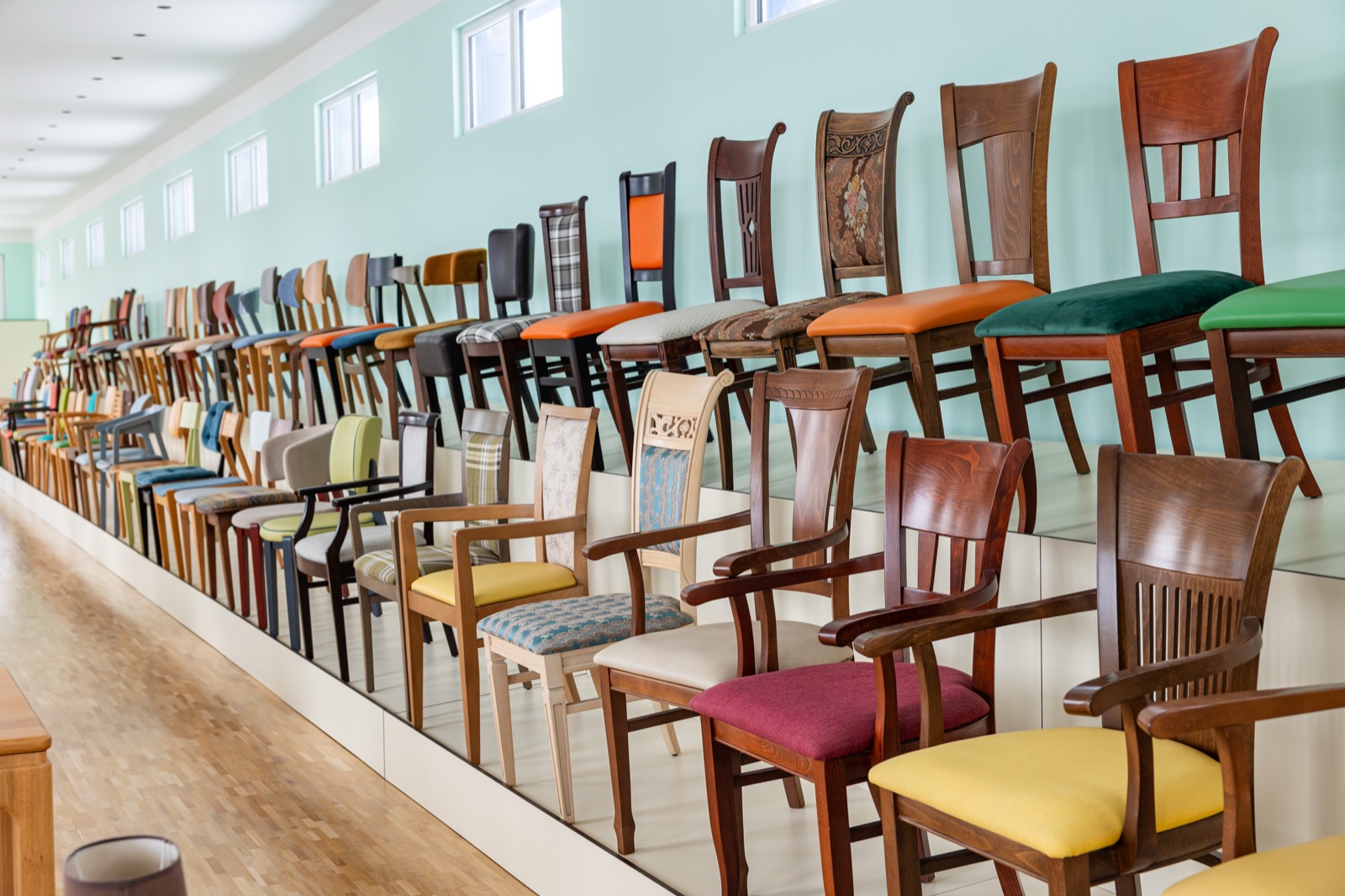
We already publish the data that a passport starts with. Every one of our models has a spec sheet with its dimensions, wood, frame finishes and upholstery options, and all models are in one Excel file that you can load into your own system.
We are a solid-wood chair and table factory in Troyan, Bulgaria. We offer our models to furniture retailers, importers, interior designers, restaurant and hotel owners, event rental companies and care homes, and we are looking for long-term partners who want to prepare for these rules together.
Download the Excel product list or browse the spec sheets.
Sources
- Sidley Austin, European Commission releases list of priority products under the ESPR (29 April 2025): https://www.sidley.com/ja/insights/newsupdates/2025/04/european-commission-releases-list-of-priority-products
- Furniture News, The ESPR's DPP countdown, Matthew Eckholm (31 October 2025): https://furniturenews.net/resources/the-esprs-dpp-countdown
- RikoStyle product data as published on rikostyle.com, November 2026.